
Group identifies factors to ensure sustainability of the IMC sector

By Amechi Obiakpu
The future of the marketing communications profession lies in how well stakeholders within it are able to proactively embrace innovation, technology, data-driven marketing and artificial intelligence, among others.
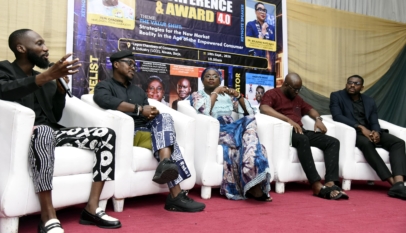
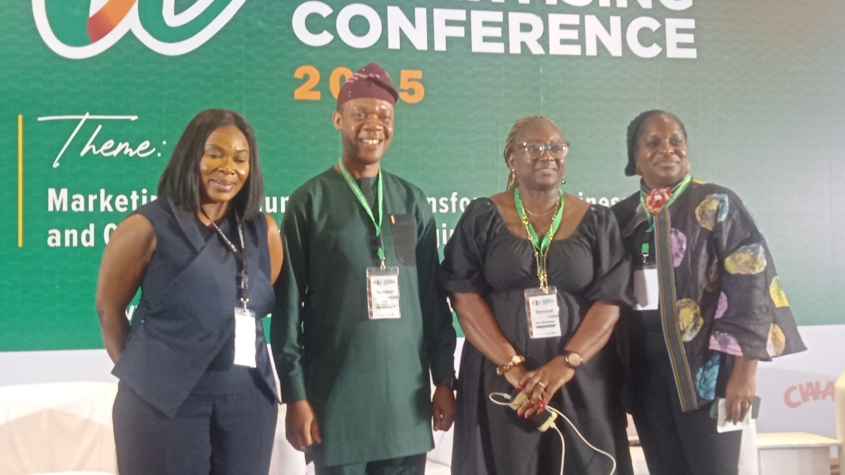
This was contained in a communiqué following the deliberations at the 2025 National Advertising Conference (NAC) held, November 12 to 14, at the Abuja Continental Hotel, Abuja, Nigeria.
The theme was: “Marketing Communications: Transforming Businesses & Creating Growth in Challenging Times”.
According to the communiqué which was released recently, by proactively embracing the future will guide the industry from being caught unprepared.
The 2025 National Advertising Conference brought together industry leaders, policy makers, academics, and practitioners to discuss the transformation of Nigeria’s marketing communications industry amid economic uncertainty, evolving talent dynamics, technological disruption, and changing consumer behavior.
Over three days, participants explored how creativity, technology, regulation, and collaboration can unlock growth for Nigeria’s advertising ecosystem.
On the agency side, it says: “Creativity is the strongest differentiator for the agency business, but value creation must remain at the center of the business model”, this according to it will help agency business to experience transformation.
Speaking on technology, it says, AI Adoption has become a compulsory ask for every creative business. AI can drive 40% efficiency and drive scale. 70% of shoppers use AI and only 30% of retailers do.
The communiqué concluded with seven points which are:
1. The constitution and inauguration of the ARCON Council is a priority and it is getting the attention of the Honorable Minister of Information and National Orientation as the supervising minister.
2. The industry must proactively encourage deeper cooperation between the academia and the industry. The engagement must go beyond the superficial level because this is important for the sustainability of the industry.
3. The industry must build sustainable talent pipelines and formal mentorship platforms to create a handshake between the different generations.
4. The industry must embrace innovation, technology, data-driven marketing and artificial intelligence. It is better to proactively embrace this future that to be caught unprepared.
5. As agreed from the last conference, it is now even more crucial to work with the HASG and ARCON to advise ARCON on readiness for an AI regulatory framework, a more forward-looking regulatory framework for digital marketing and the likely impact of the AfCFTA on the industry.
6. The industry is missing out on the culture and creative economy conversations. According to
UNCTAD definition of the creative economy, advertising and marketing are part of the components of the creative economy. Practitioners need to evolve new business models to work with sub-nationals to create marketing assets around state-branding and cultural assets.
7. Brands must continue to invest in a critical balance between brand building and short-term benefits and agencies must understand the language of value.
Do you have a compelling story to tell? Contact us via our email: espinewsng@gmail.com or call/WhatsApp on 08032519246.